Microsoft Xbox: A Gaming Legacy Forged Through Innovation and Strategic Growth
From its bold entry into the console market in the early 2000s, Microsoft Xbox has evolved from a nascent challenger to a dominant force in the global video gaming industry. More than just a line of home video game consoles, the Xbox brand now encompasses a vast ecosystem of applications, the groundbreaking Xbox Cloud Gaming service, and essential online services like the Xbox network and Xbox Game Pass. Owned by Microsoft Gaming, a dedicated division of Microsoft, Xbox’s journey is a testament to strategic vision, relentless innovation, and a keen understanding of the evolving gamer landscape. This article delves into the decades of console sales, the strategic brand growth, and the pivotal role of its expanding game studios that have cemented Microsoft Xbox’s position as a gaming giant.
The Genesis of a Gaming Giant: Microsoft's Bold Entry into Console Warfare
The story of Microsoft Xbox begins not with a console, but with a perceived threat to Microsoft's established PC business. In 1999, Sony Computer Entertainment unveiled the PlayStation 2, positioning it as a comprehensive home entertainment hub capable of playing not just games but also audio CDs and video DVDs. Microsoft, deeply entrenched in supporting the personal computer with its Windows operating system and software, recognized this as a significant challenge to the PC's role as the digital centerpiece of the home.
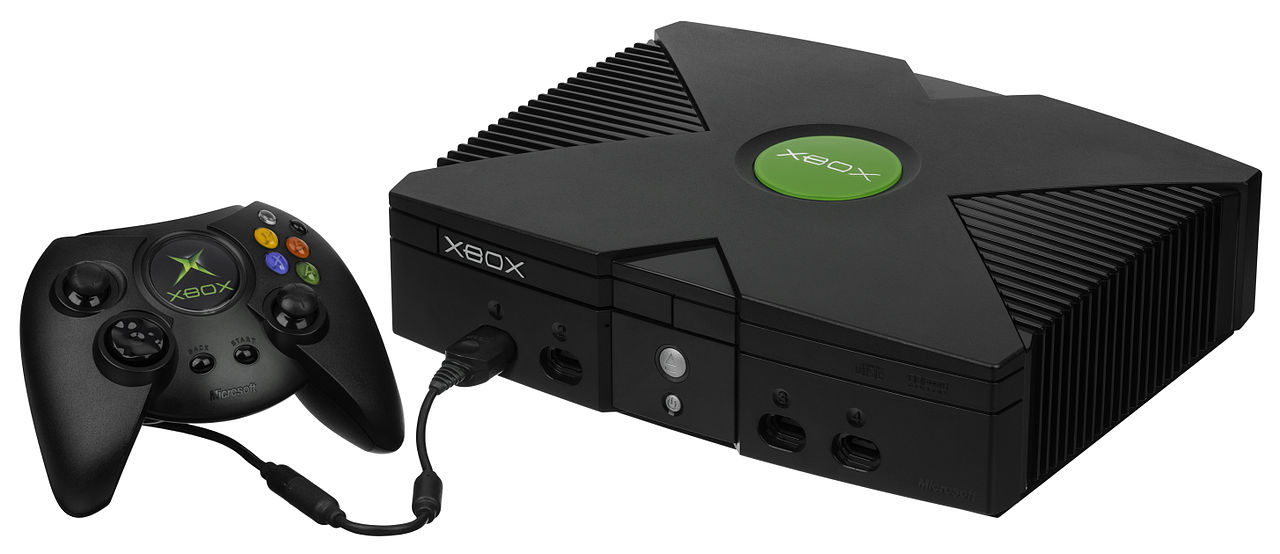
This realization spurred four visionary engineers from Microsoft's DirectX team—Kevin Bachus, Seamus Blackley, Ted Hase, and team leader Otto Berkes—to conceptualize a direct competitor. Their audacious idea was to design a console that leveraged Microsoft's strengths in PC technology, creating a powerful, developer-friendly system. This initiative led to the launch of the original Xbox console in November 2001 in the United States, marking a historic moment as the first video game console offered by an American company since the Atari Jaguar ceased sales in 1996. The original Xbox, powered by games like the seminal Halo: Combat Evolved, quickly found its footing, selling over 24 million units by May 2006. This bold move laid the foundation for Microsoft's enduring presence in the console space. To understand the foundational decisions and early challenges, explore Xbox Origins: Microsoft's Bold Entry into the Console Gaming Market.
A Legacy of Innovation: Decades of Xbox Console Generations
The journey of Microsoft Xbox through console generations showcases a continuous drive for technological advancement and adaptability:
The Xbox 360 (Released 2005)
Building on the original's success, the Xbox 360 launched in 2005 and became a monumental achievement for Microsoft. It ushered in the era of high-definition gaming and revolutionized online multiplayer with a refined Xbox Live experience. Its sleek design and a strong library of exclusive titles helped it capture a significant market share, eventually selling an impressive 86 million units by October 2015. The 360 also introduced innovations like the Kinect motion-sensing peripheral, attempting to broaden gaming's appeal beyond traditional controllers.
The Xbox One (Released 2013)
The third console line, the Xbox One, released in November 2013, aimed to be another all-in-one entertainment system. While it faced initial hurdles related to its always-on internet requirement and DRM policies, Microsoft quickly adapted, pivoting its strategy under the leadership of Phil Spencer to focus on gamer-centric features, value, and ecosystem integration. The Xbox One ultimately sold 58 million units, laying crucial groundwork for services like Xbox Game Pass and emphasizing backward compatibility, a feature that resonated deeply with players.
The Xbox Series X and Series S (Released 2020)
The current generation, the Xbox Series X and Series S, launched in November 2020. These consoles represent a significant leap in performance, offering unparalleled speed, graphical fidelity, and advanced features like ray tracing and variable refresh rates. The Series X is a powerhouse designed for 4K gaming, while the Series S provides an affordable, all-digital entry point into the next-gen ecosystem. Both are deeply integrated with Xbox Game Pass and Xbox Cloud Gaming, signaling Microsoft's long-term vision for accessibility and choice. For a deeper dive into the technological advancements and strategic shifts, read The Evolution of Xbox: From Original Console to Gaming Giant.
Expanding Horizons: The Microsoft Xbox Ecosystem Beyond the Box
The modern Microsoft Xbox brand is far more than just hardware; it's a comprehensive digital ecosystem designed to offer flexibility and value. Central to this strategy are several key services that define the contemporary Xbox experience:
Xbox Network
Formerly known as Xbox Live, the Xbox network remains the backbone of online gaming and community for Xbox players. It facilitates multiplayer interactions, digital purchases, communication, and social features, connecting millions of gamers worldwide.
Xbox Game Pass
Perhaps the most revolutionary offering, Xbox Game Pass has redefined game ownership and access. This subscription service provides unlimited access to a vast and constantly growing library of games, including all first-party Xbox Game Studios titles on day one. With various tiers, including Game Pass Ultimate which bundles EA Play, Xbox Cloud Gaming, and Xbox Live Gold, it offers unparalleled value. For players, this means discovering new games without additional cost, greatly expanding their gaming horizons. Practical Tip: To maximize your Xbox Game Pass subscription, regularly check the "Leaving Soon" section to prioritize games before they rotate out, and utilize the "Play Anywhere" feature to enjoy many titles on both console and PC.
Xbox Cloud Gaming
As part of Xbox Game Pass Ultimate, Xbox Cloud Gaming (xCloud) allows subscribers to stream a selection of Game Pass titles to various devices, including mobile phones, tablets, and PCs, without needing a console. This innovative service democratizes access to high-fidelity gaming, making it available wherever there's an internet connection. It represents Microsoft's commitment to a future where gaming is unbound by specific hardware.
This integrated approach showcases how Microsoft has strategically grown the Xbox brand beyond console sales, focusing on recurrent revenue models and expanding its reach to a broader audience across multiple platforms.
Content is King: Powering the Experience with Xbox Game Studios and Strategic Acquisitions
A crucial pillar of Microsoft Xbox's brand growth and continued success lies in its robust content strategy, spearheaded by its expanding portfolio of game development studios. Since 2022, Microsoft reorganized Xbox to be part of its newly formed Microsoft Gaming division, signaling a heightened focus on gaming as a core business segment. Under this division, Xbox's first-party publishers now include:
Xbox Game Studios
This umbrella organization houses numerous internal development teams responsible for iconic Xbox franchises. Studios like 343 Industries (Halo), Turn 10 Studios (Forza Motorsport), Playground Games (Forza Horizon), Obsidian Entertainment (Pillars of Eternity, Grounded), and Bethesda Game Studios (prior to ZeniMax acquisition, now within it) consistently deliver high-quality, exclusive content that drives console sales and Game Pass subscriptions.
ZeniMax Media (Bethesda Softworks)
Microsoft's acquisition of ZeniMax Media in 2021 brought legendary studios like Bethesda Game Studios (The Elder Scrolls, Fallout, Starfield), id Software (Doom, Quake), Arkane Studios (Dishonored, Deathloop), and MachineGames (Wolfenstein) into the Xbox fold. This move dramatically bolstered Xbox's first-party lineup with critically acclaimed RPGs, shooters, and immersive experiences, providing a significant competitive advantage and unique content for Game Pass.
Activision Blizzard
The monumental acquisition of Activision Blizzard, finalized in 2023, represents the largest in gaming history. This deal brought an unparalleled collection of globally recognized franchises under the Microsoft Gaming banner, including Activision (Call of Duty, Crash Bandicoot), Blizzard Entertainment (World of Warcraft, Overwatch, Diablo), and King (Candy Crush Saga). This strategic move not only enhances Xbox's content library across consoles and PC but also significantly expands its presence in mobile gaming, further diversifying its revenue streams and market reach. The sheer scale of these acquisitions underlines Microsoft's commitment to making Xbox a leading platform for content creators and players worldwide.
These strategic investments in game studios and intellectual properties are critical to sustaining the Xbox brand's appeal, ensuring a steady flow of high-quality, exclusive titles, and strengthening the value proposition of services like Xbox Game Pass.
Conclusion
From a bold venture to counter a perceived threat to its PC dominance, Microsoft Xbox has matured into a comprehensive gaming powerhouse. Through decades of console innovation, strategic brand building with services like Game Pass and Cloud Gaming, and monumental investments in game studios such as ZeniMax and Activision Blizzard, Microsoft has carved out an indelible legacy in the entertainment industry. The journey of Xbox is a compelling narrative of vision, adaptation, and an unwavering commitment to the evolving world of video games, positioning it as a pivotal player poised to shape the future of interactive entertainment for years to come.